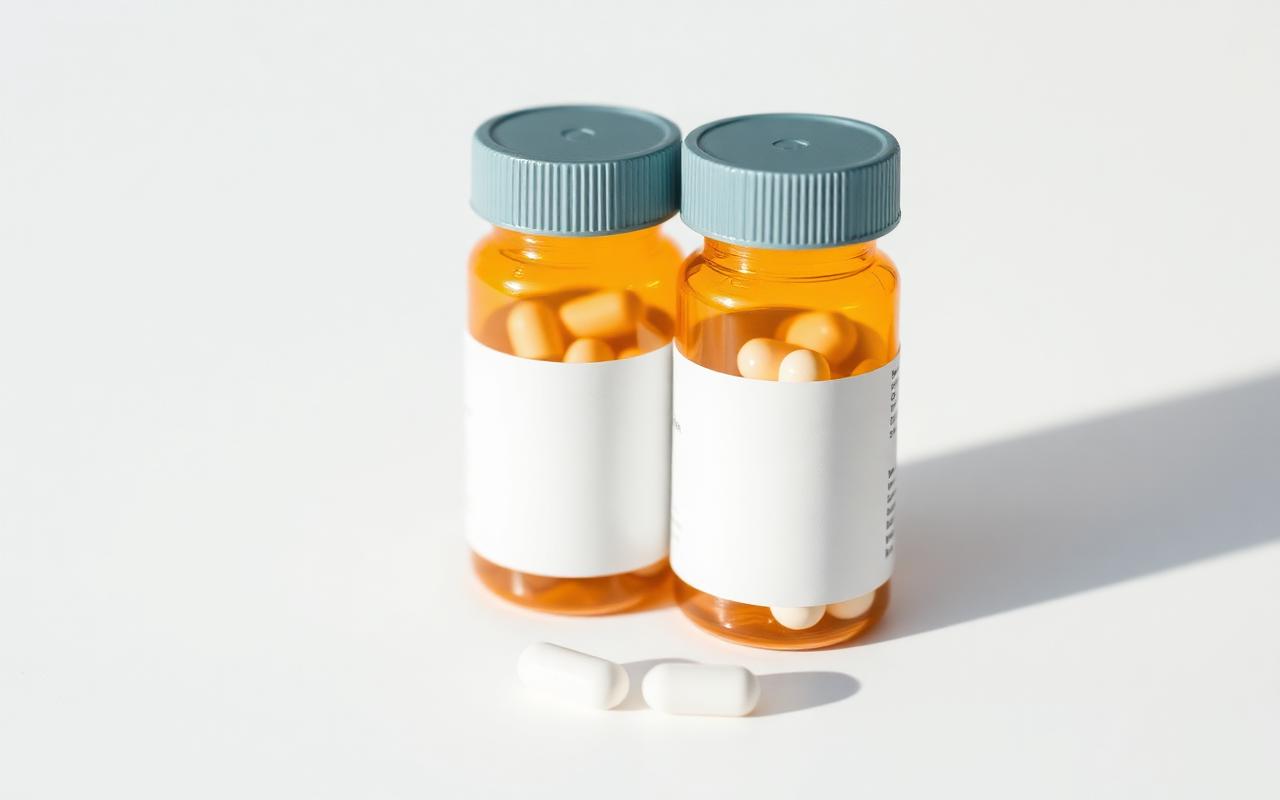
Three words come up again and again when people talk about clinical trials: placebo, blinding, and randomization. They can sound technical, but they all serve the same goal — helping researchers tell whether a treatment really works, separate from coincidence, expectation, or bias.
What a placebo actually is
A placebo is a treatment with no active ingredient — for example, a pill that looks identical to the real one but contains only inactive substances. Placebos are used so researchers can compare what happens to people receiving the actual treatment with what happens to people who are not. The difference between the two groups is what tells us how much benefit comes from the treatment itself.
Are placebos always used?
Not always. When an effective treatment already exists for a serious condition, it is usually unethical to give participants a placebo instead. In those cases, the new treatment is compared with the current standard of care. Trials in healthy volunteers, or studies of conditions with no proven treatment, are more likely to involve a placebo group.
Why studies use randomization
Randomization means participants are assigned to treatment groups by chance — like a carefully designed coin flip. This helps make sure the groups are similar in age, health, and other factors that could affect results. Without randomization, differences between groups might explain the outcome instead of the treatment itself.
Blinding: who knows what
- Single-blind: participants do not know which group they are in.
- Double-blind: neither participants nor the study team know who is receiving the treatment versus the comparison.
- Open-label: everyone knows what is being given, often used in early-phase or specialized studies.
Blinding helps reduce bias. People naturally feel different when they know they are taking a 'real' treatment, and clinicians can unintentionally rate results differently when they know what someone is receiving. Hiding that information until the study ends keeps the data cleaner.
Your safety still comes first
Even in a blinded study, the team has procedures to unblind in an emergency. If a serious side effect occurs, doctors can find out exactly what a participant received so they can treat them appropriately. The design protects the science, but never at the cost of your safety.